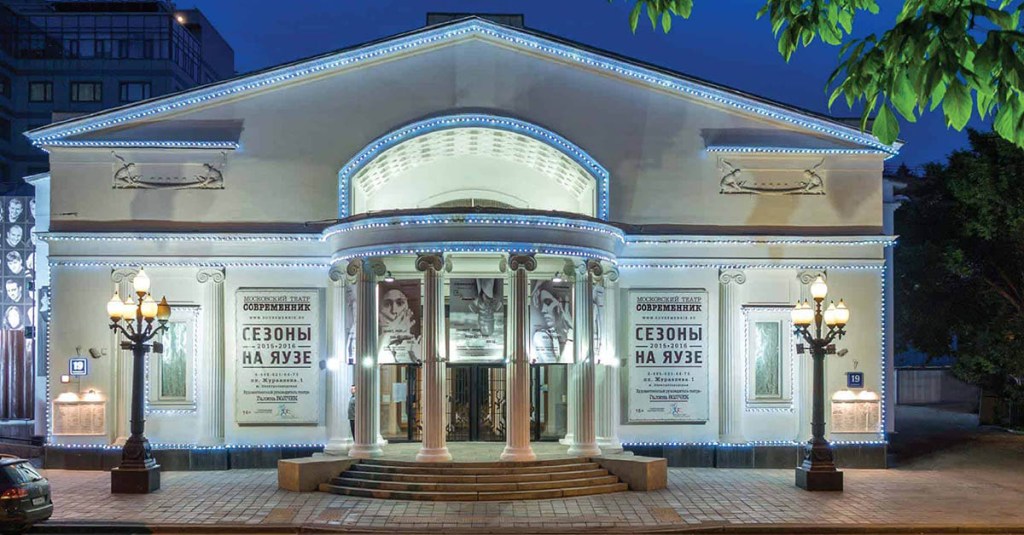
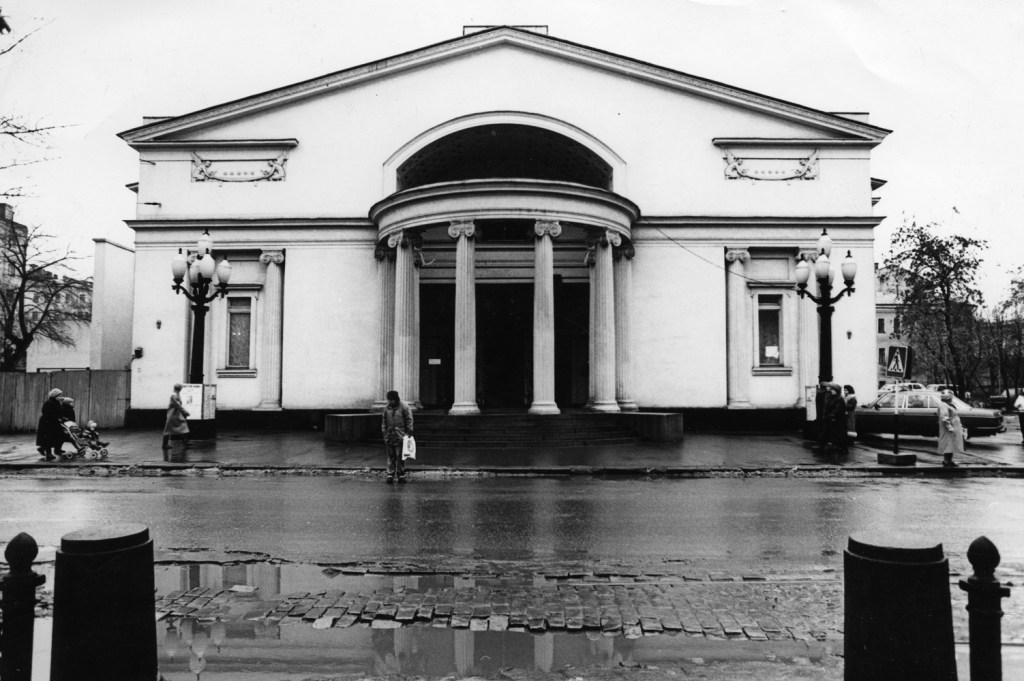
Garik Sukachev’s play SASHASHISHIN at the Sovremennik Theatre is based on Sasha Nikolaenko’s novel Kill Bobrykin, exploring the destructive consequences of overprotective parenting. The play delves into the psychological implications of excessive maternal control. The central character, Sasha Shishin, is an autistic boy raised by a deeply controlling mother, whose obsession with protecting him leads to tragic outcomes.
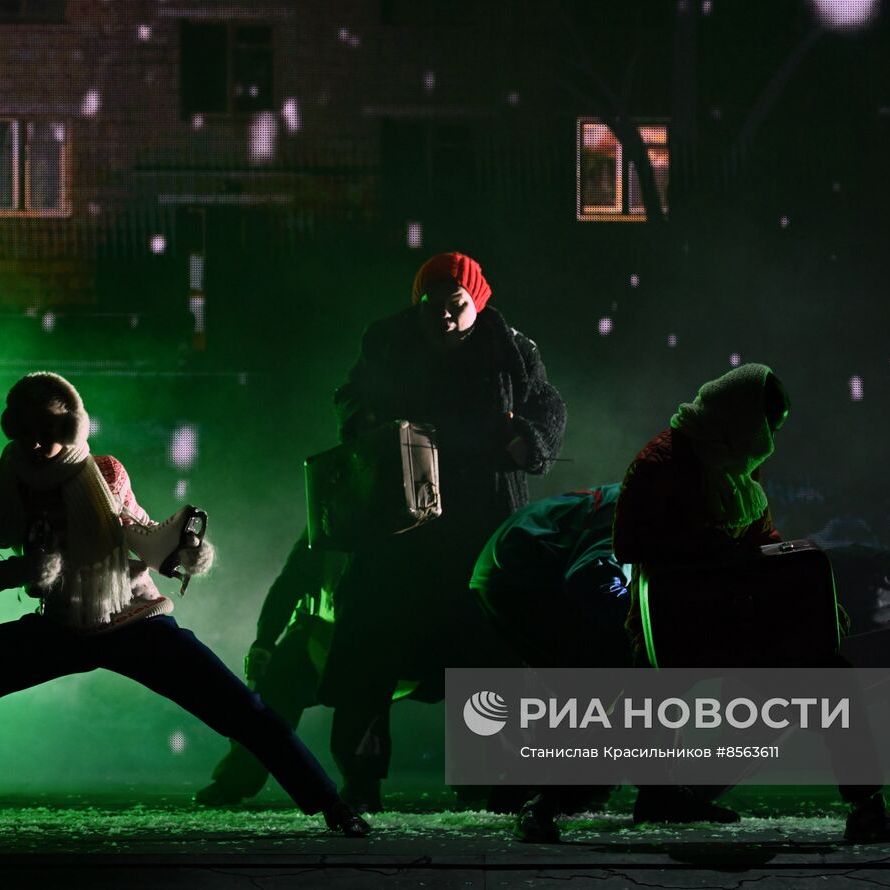
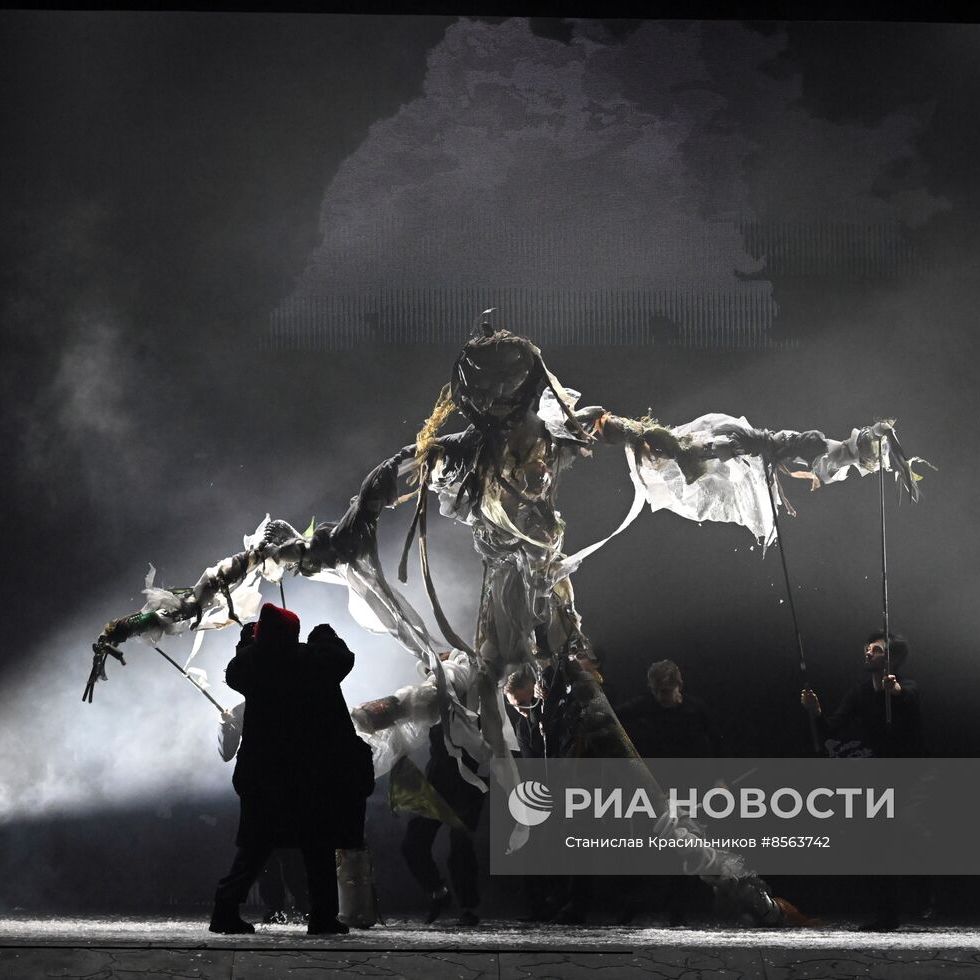
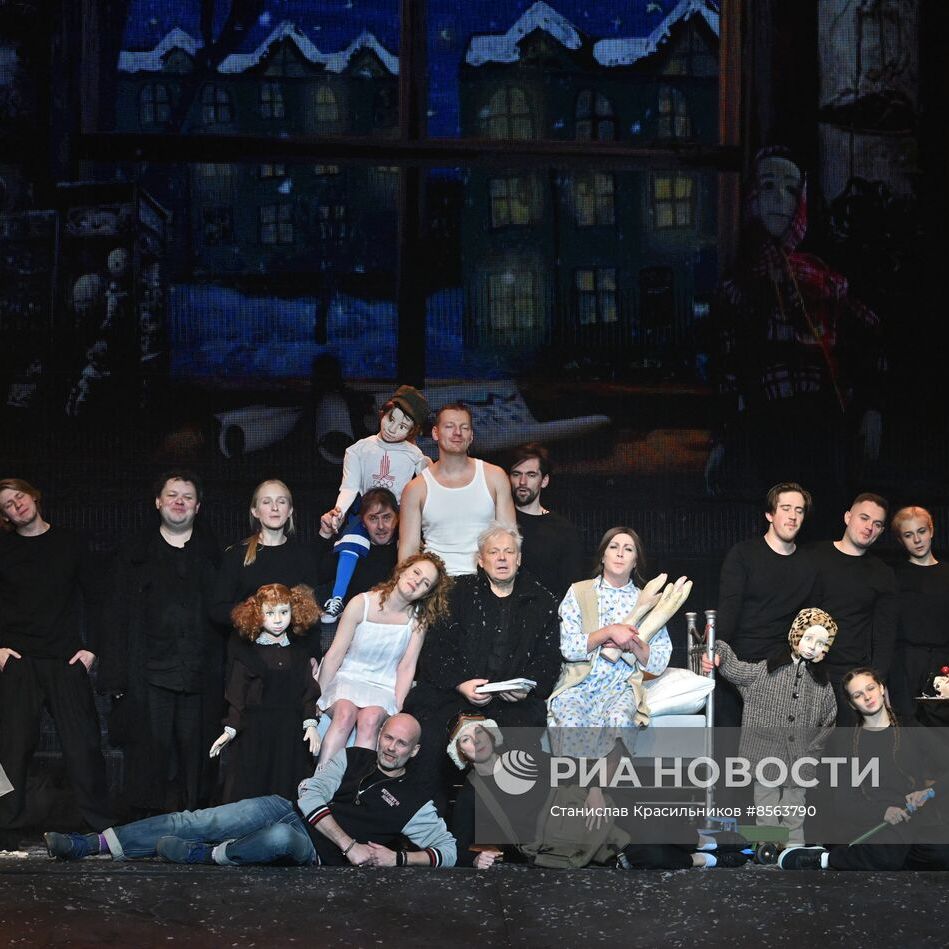
“The Visual Landscape”
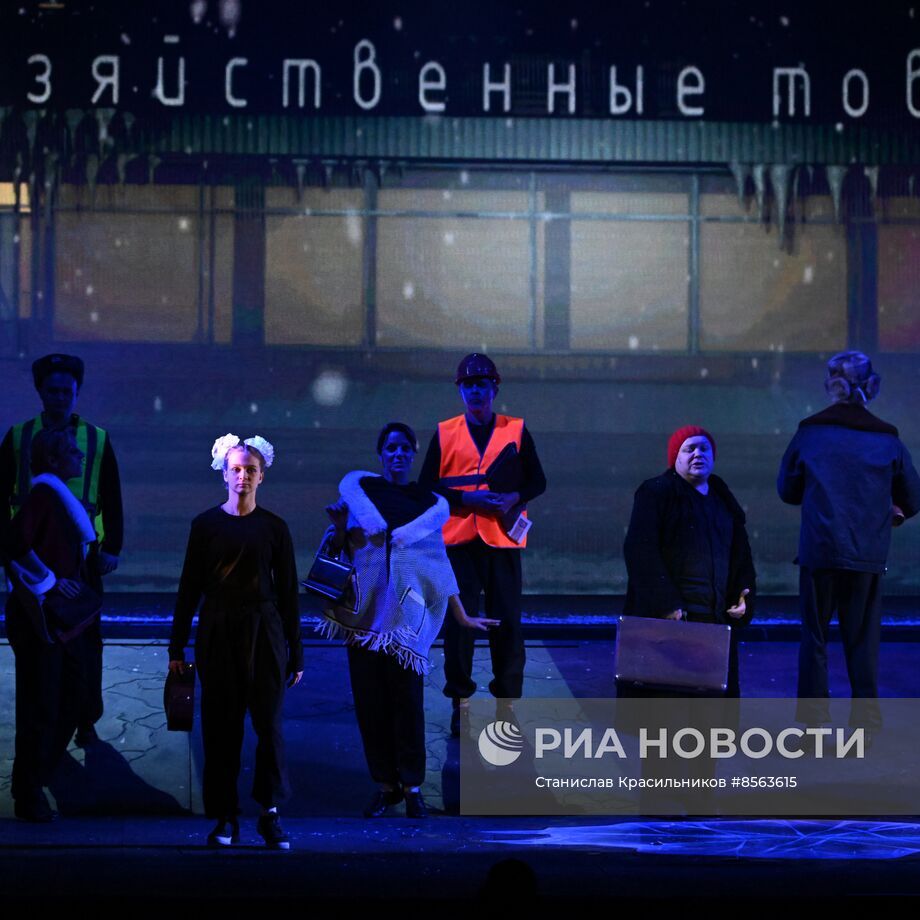
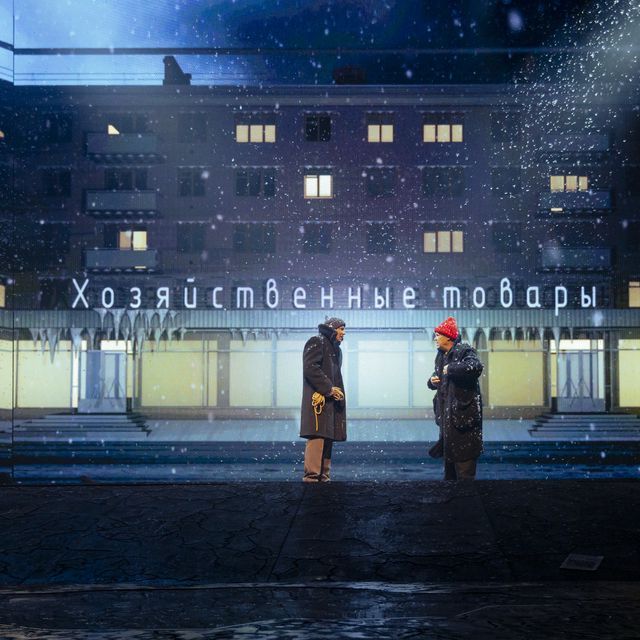
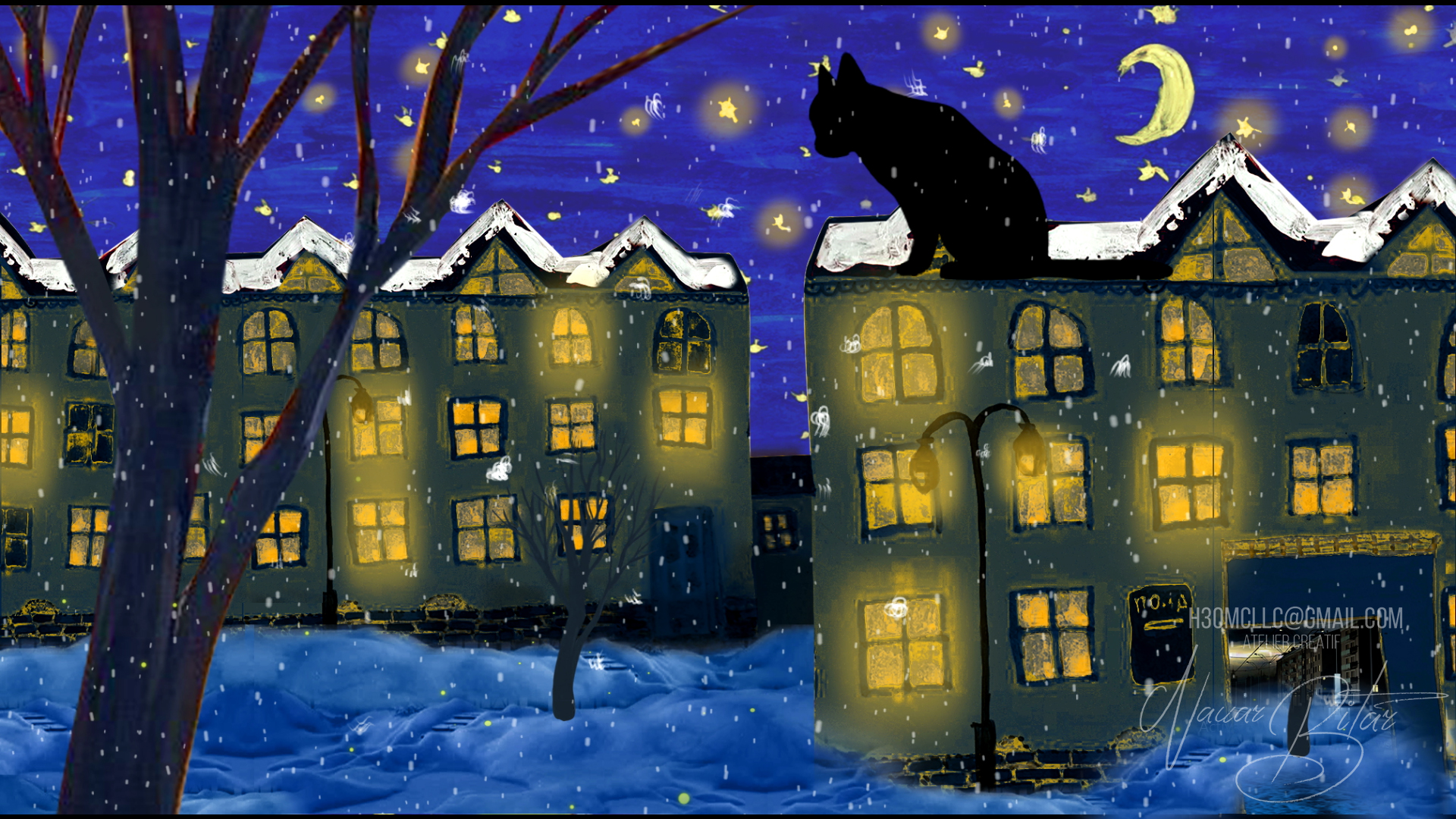
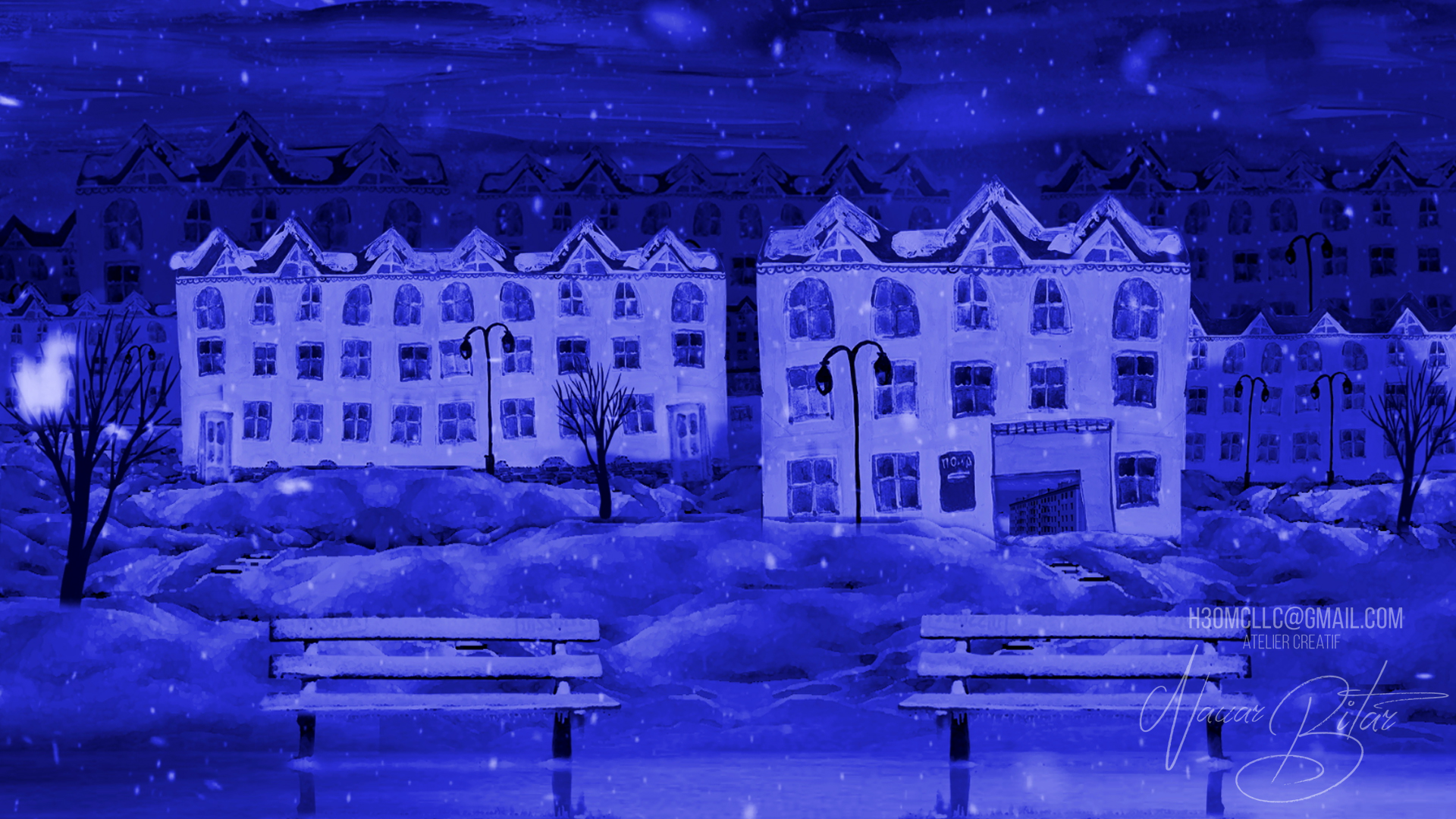
The visual landscape of SASHASHISHIN mirrors the psychological unraveling of Sasha Shishin, immersing the audience in his fragmented perception of reality. As the play progresses, projections shift from the whimsical and boundless imagination of childhood to abstract, surreal imagery reminiscent of the cold, oppressive Soviet era. These evolving visuals reflect Sasha’s autistic and fractured worldview, blurring the lines between memory, emotion, and delusion.
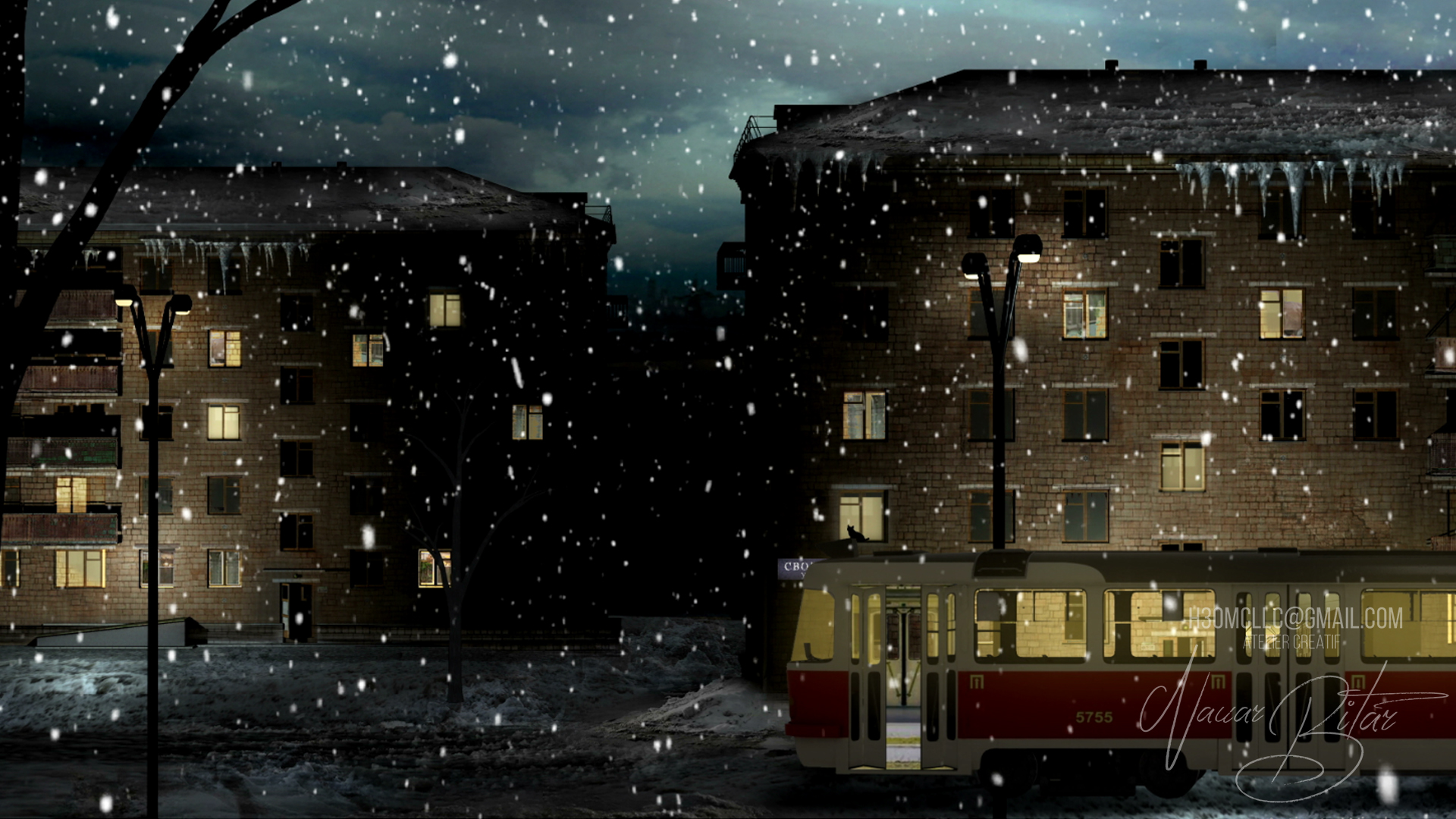
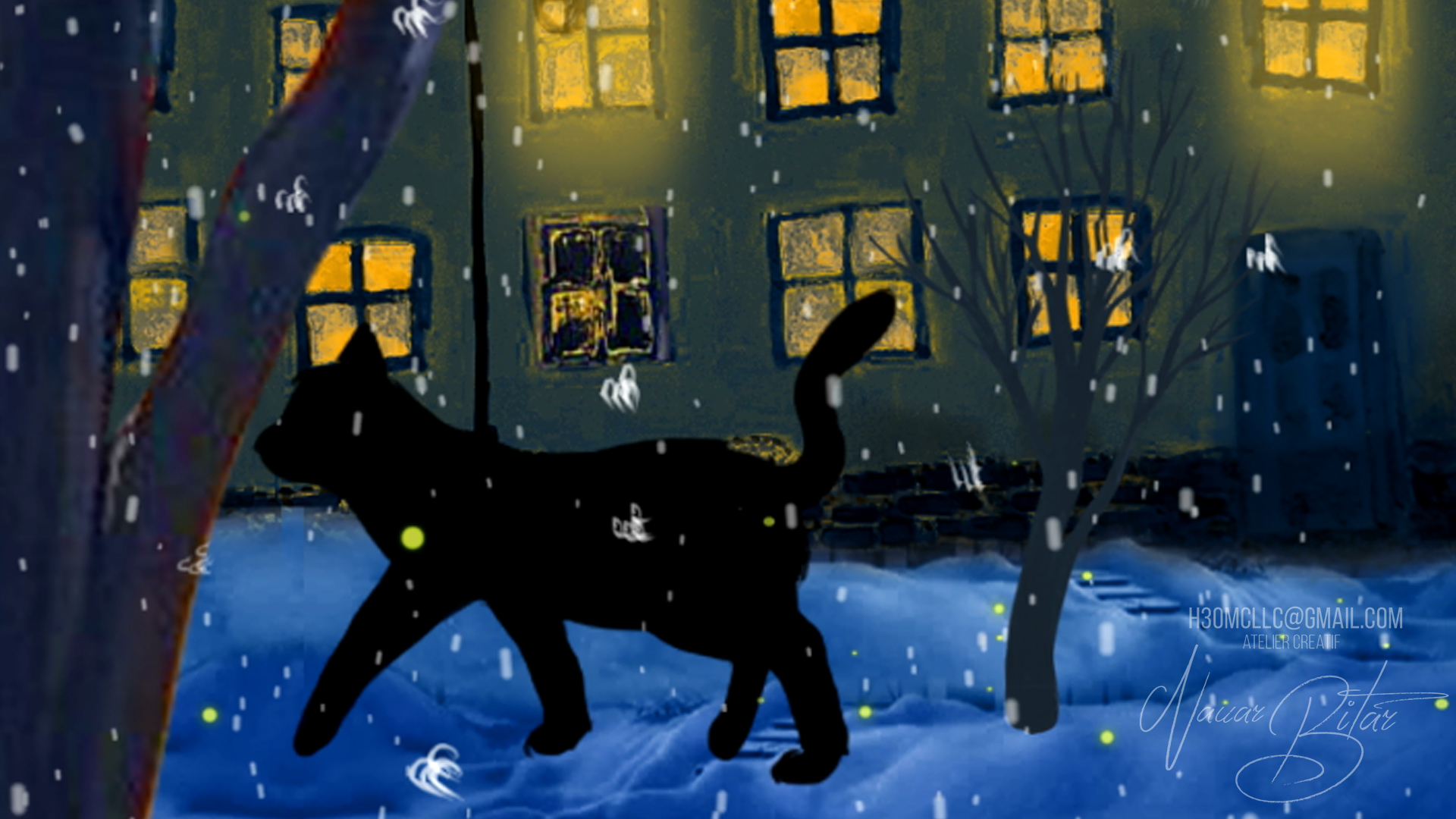
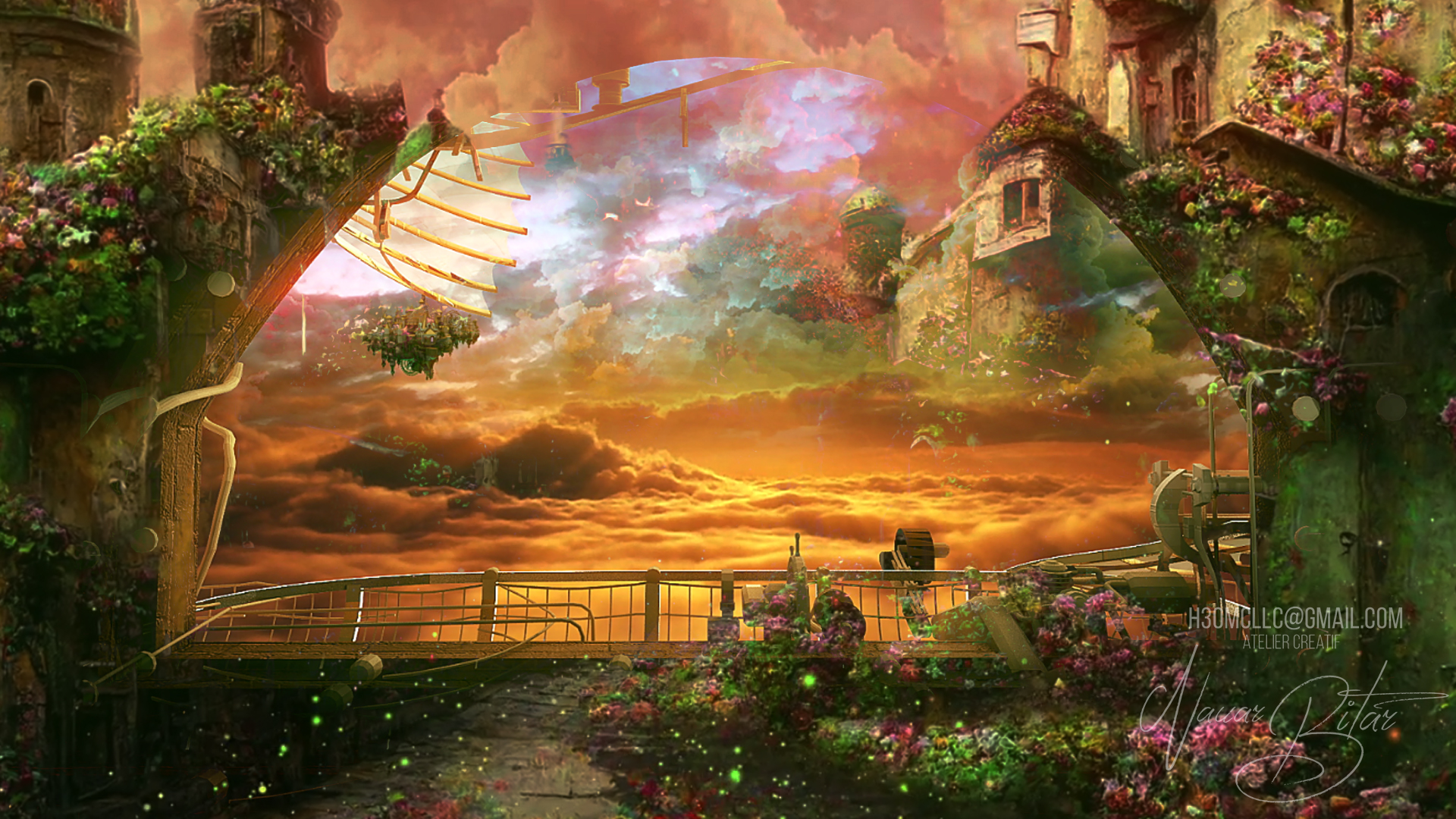
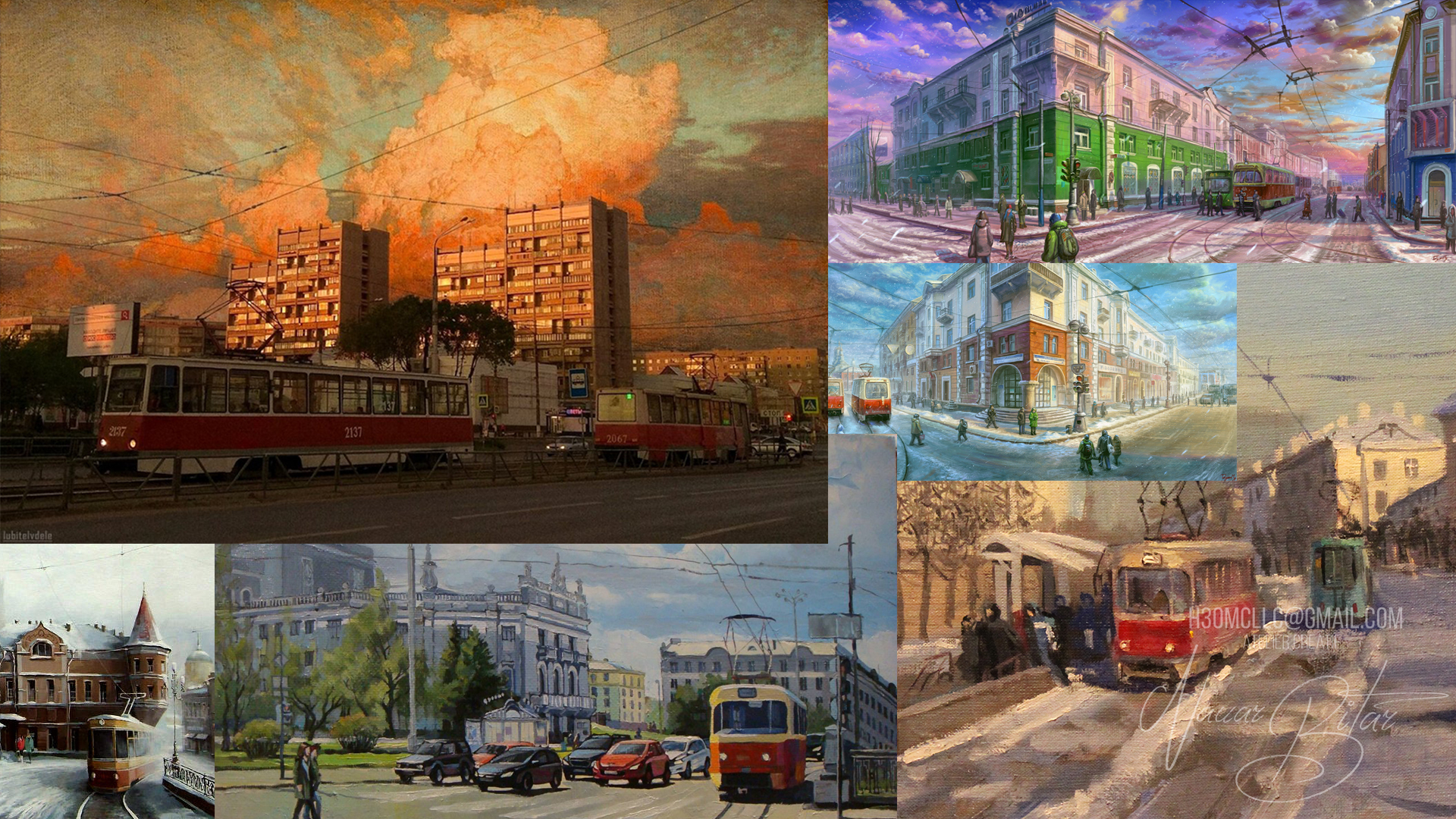
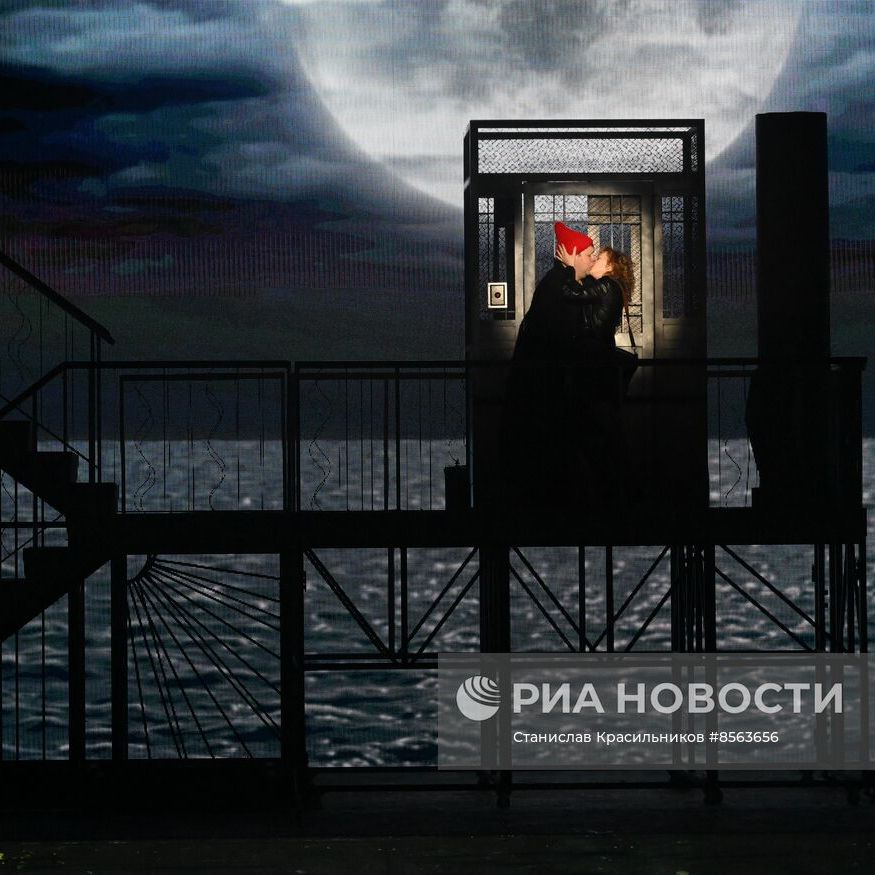
Designed to evoke a sense of claustrophobia, alienation, and despair, the projections create an overwhelming yet intimate atmosphere. Stark, brutalist compositions dominate the space, reinforcing feelings of entrapment, while distorted perspectives and shifting scales disorient both Sasha and the audience. Intermittently, rare yet breathtaking dreamlike moments emerge—utopic visions that offer fleeting glimpses of escape. These sequences contrast the rigid Soviet aesthetic with fluid, luminous imagery, evoking an almost surreal hopefulness before dissolving back into darkness.
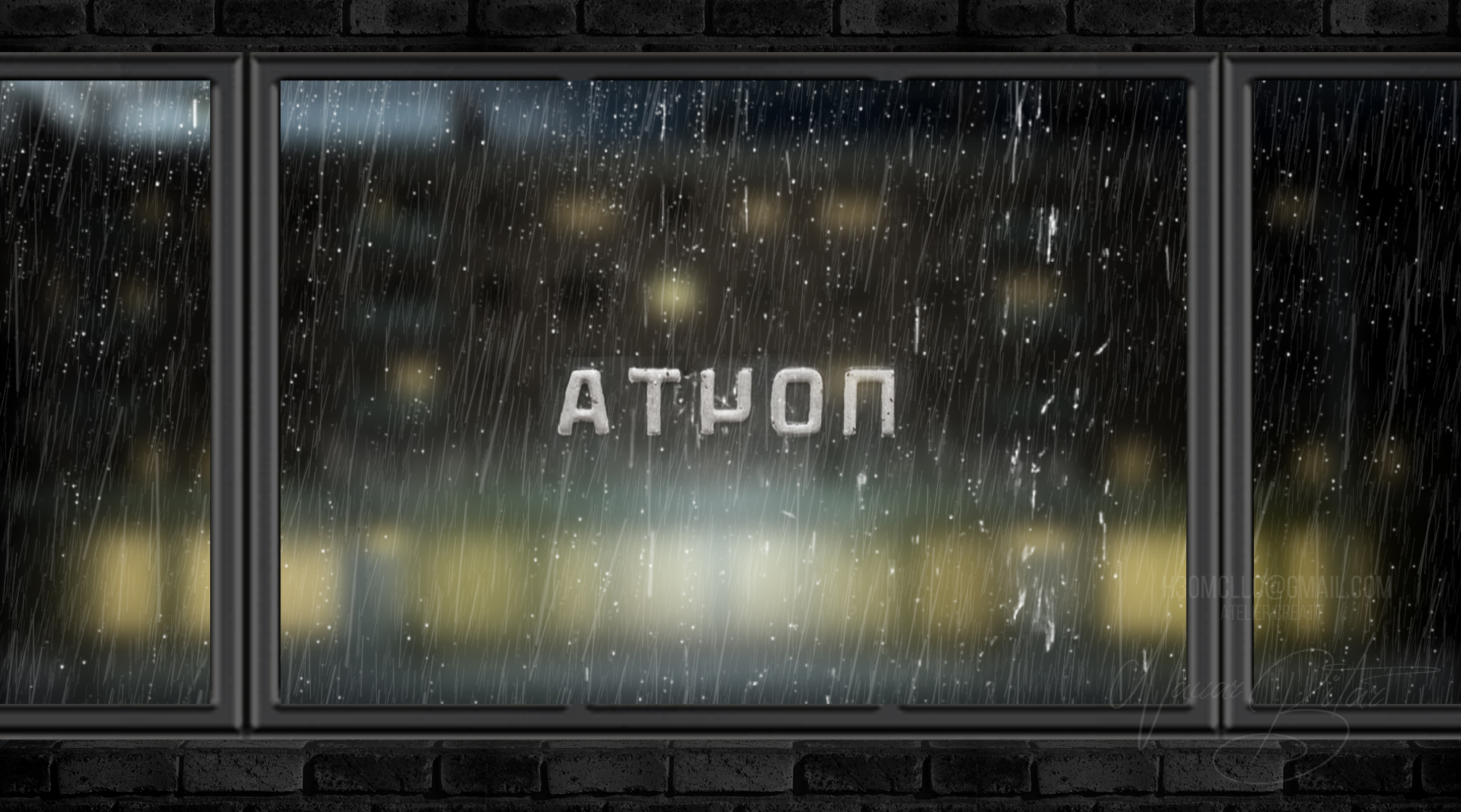
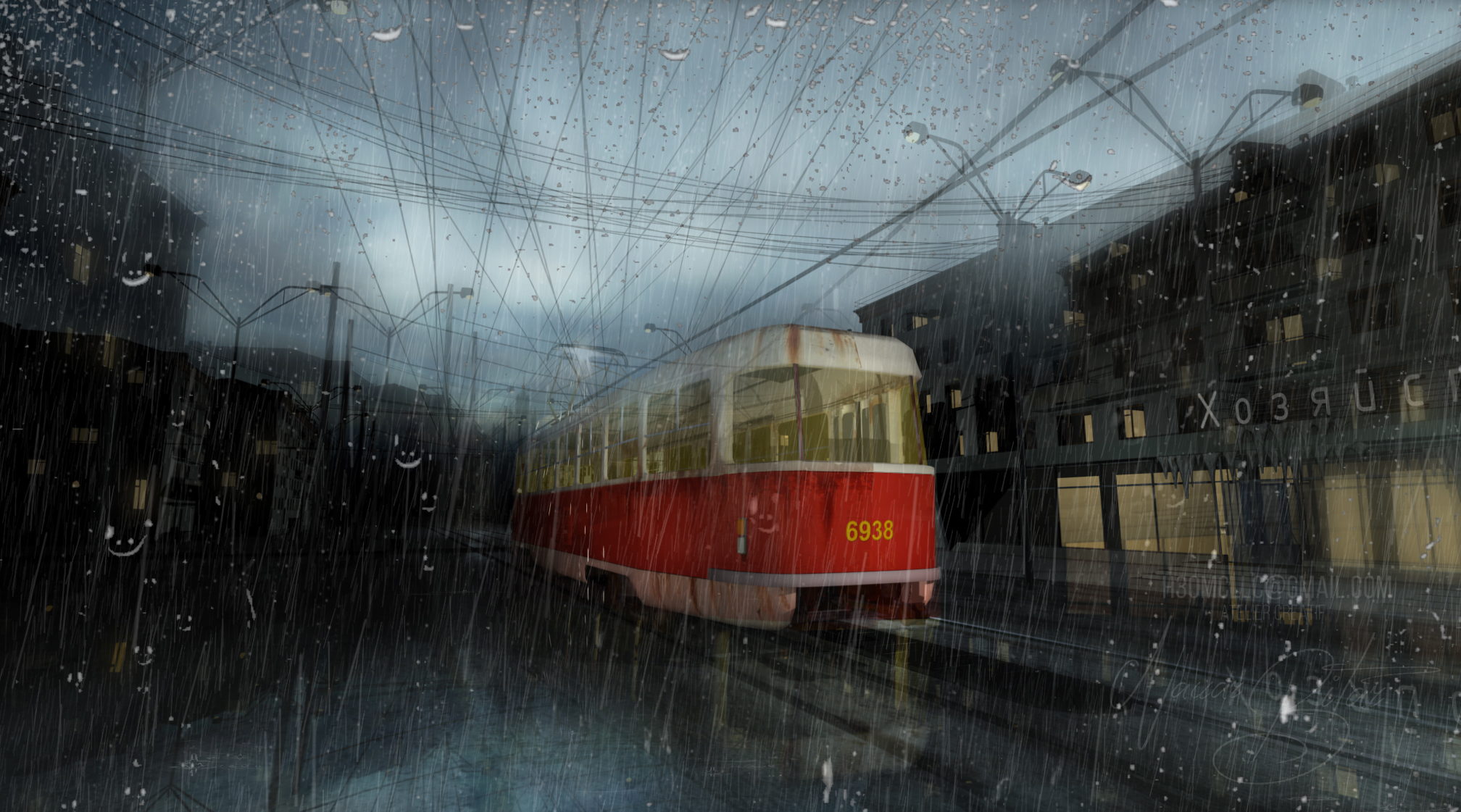
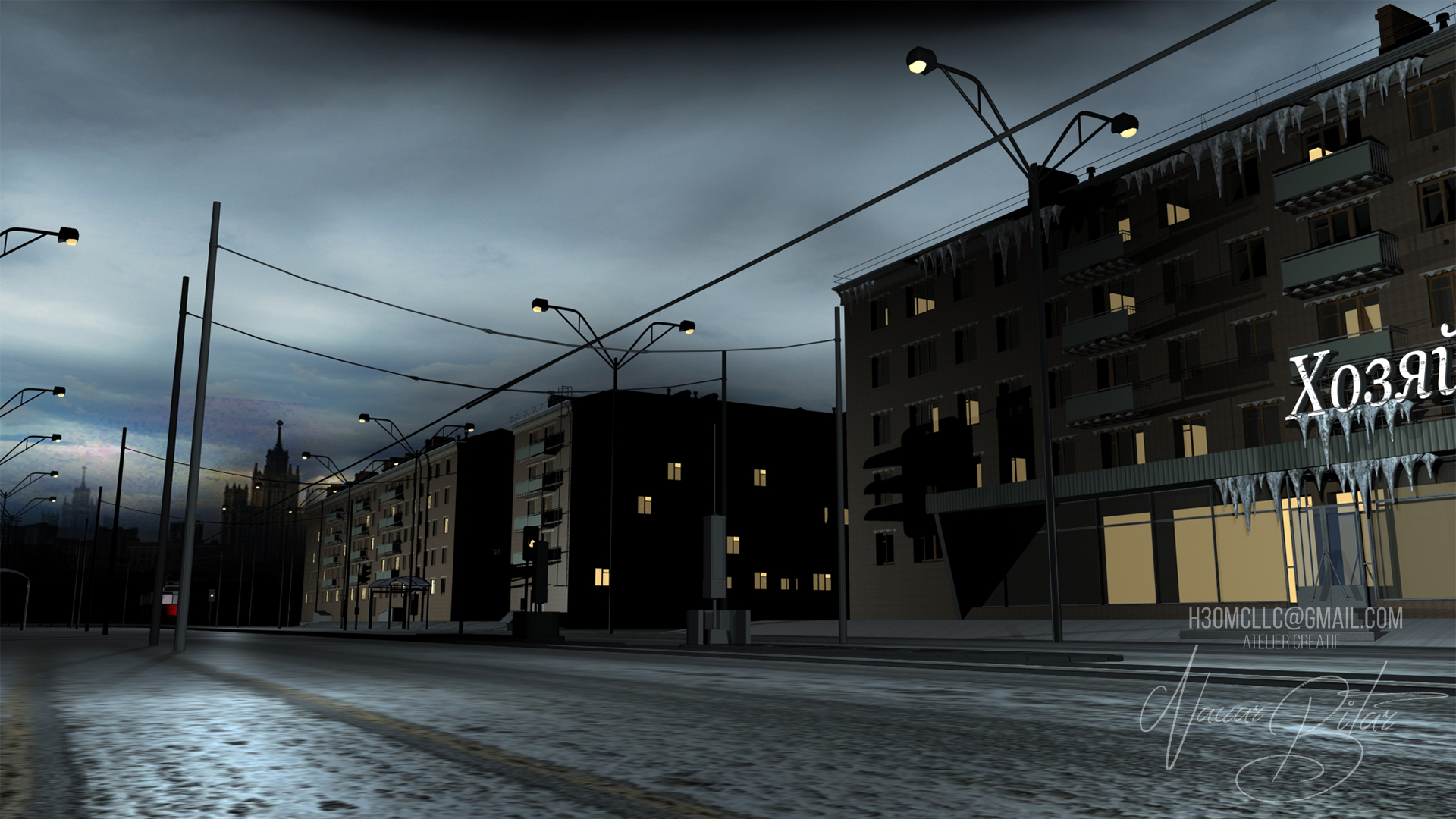
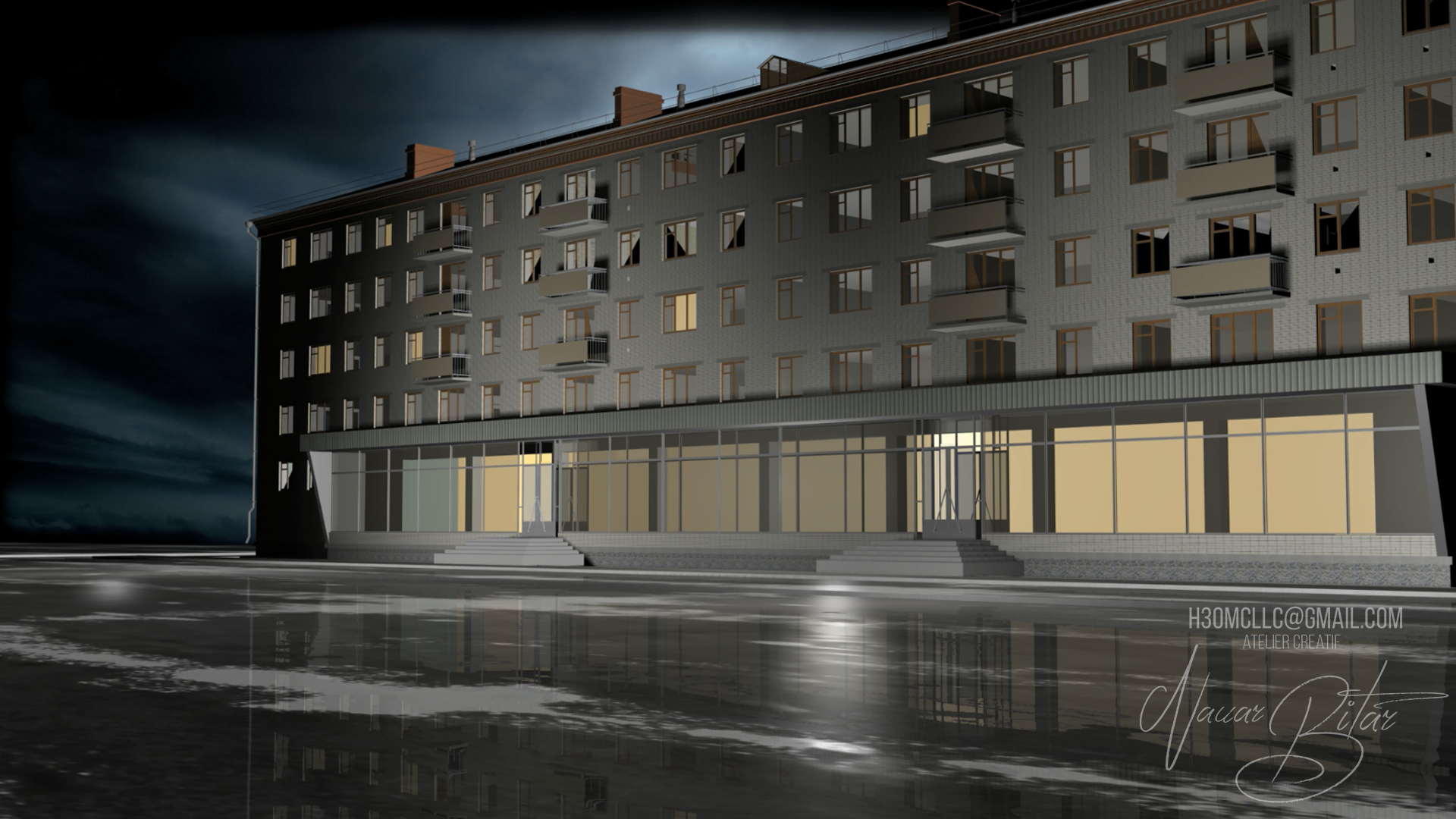
The interplay of light, texture, and motion heightens the emotional depth of Sasha’s journey. At times, the visuals become unstable—glitching, fragmenting, or fading into abstraction—mirroring his deteriorating grasp on reality. Through these dynamic projections, SASHASHISHIN transforms into a haunting, visualized mindscape, drawing the audience deep into Sasha’s inner turmoil.
“The Art of Invisible Presence”
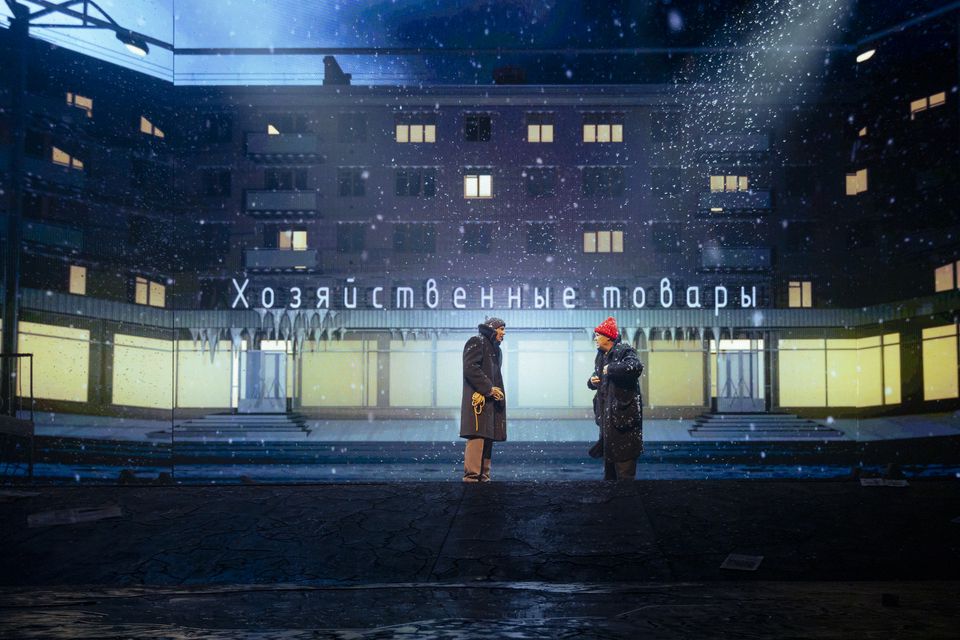
A refined motion graphic approach was dedicated to post-production and color correction, ensuring a seamless integration with the theatrical space. Given the specificity of theater video decoration, animation was intentionally restrained. The background must exist yet remain unnoticed—a delicate balance between presence and invisibility. It should eclipse behind the actors, shaping the atmosphere without distraction, offering depth without dominance. Subtle shifts in light and texture create an almost subconscious dialogue, reinforcing emotion without overshadowing performance. This thin line between stillness and impact is a continuous pursuit, ensuring the visuals enhance rather than compete with the unfolding narrative.
“Designing Disorder, Shaping Emotion”
Various graphic artists collaborated across different platforms, software, and formats, bringing diverse visual interpretations to the production. Special attention was given to the autistic perspective, meticulously researched and recreated both professionally and emotionally. Hand-drawn illustrations, crafted artistically by Anoushka B, were refined through After Effects post-production, introducing a raw, textured aesthetic that contrasted with digital compositions. This intentional eclecticism heightened the visual storytelling, reflecting the protagonist’s fluctuating inner world. The design shifts seamlessly from dreamlike fluidity to nightmarish distortion, utilizing varied color grading, motion textures, and compositional contrasts to evoke his psychological turmoil—a dynamic interplay of style, tone, and perception.

Press & critics
The novel and play both highlight a recurring theme: the collision between the inner world of the child and the mythologized adult world. Sasha, fixated on his love for his childhood friend Tanya, becomes consumed by jealousy and an overwhelming need to possess her. His mother’s stringent prohibitions create a suffocating environment, and as Sasha’s desire grows, it leads him to violence—symbolized in the play by the murder of his mother, not Tanya, as in the novel. Sukachev’s adaptation offers a deeper psychological rationale behind Sasha’s actions, portraying his fixation on Tanya as a desperate response to maternal rejection.
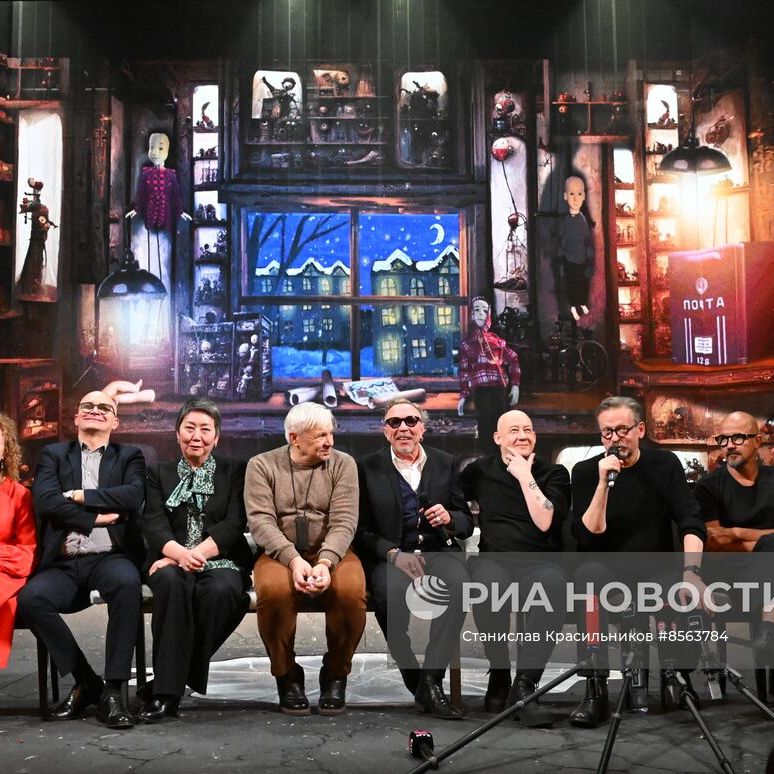
Sukachev also introduces a stylistic shift, using poetic language and abstract visuals to enrich the emotional depth of the narrative. The play’s unique interpretation of autism, conveyed through subtle gestures and metaphors, ensures authenticity, especially with the inclusion of puppets to represent the child characters, a collaboration with the Obraztsov Puppet Theatre.
Thematically, the play draws parallels with global cinematic works like Awakenings and One Flew Over the Cuckoo’s Nest, where maternal control is similarly portrayed as an obstacle to the characters’ emotional freedom. Sukachev’s SASHASHISHIN is a poignant exploration of the complexities of love, control, and the damaging effects of overprotection on a child’s development.
 EVENTVIZ.ORG